
Your Reputation Is Your Revenue: A Real Conversation About Integrity, ROI, and Responsibility of In-Person Events for both Event Hosts and Attendees
By Steph Rubio, Rooted & Relentless founder, with special guest Taylor Smith, founder of The Power Table and host of Power Table LIVE
Including excerpts, advice, & input from additional contributors:
Jordan Gill, Systems Strategist, Educator, Podcaster, & Founder of Systems Saved Me
Michelle Thames, Event Host, Marketing Strategist, & Community Builder
Megan Kozell, MSW, RCSWI, Founder of The Balanced Boss
Lauren Najar, Agency Founder, Business Consultant, Speaker
Why This Conversation and Why Now?
After years of building businesses online from the cozy comfort of our home offices, people are craving connection again. I’ve been saying that since about 2024, when I actually met my co-author, Taylor, because I was looking to get out of my own home office a bit, make new connections, and expand my impact.
The truth is we started missing real conversations & real connection. Gone were the days we could walk across the hall and ask a coworker how they would handle something real quick, or work through that frustrating little Excel problem. Our creativity was stifled.
Now in the post ChatGPT era, we’re in a trust-pocolype where we just need to meet real people and connect with real people to know what they stand for before we spend our hard earned money.
The rise of in person events are back. Color me shocked.
When events are done well, they can be catalytic. They can change how someone thinks, how they move through the world, and what becomes possible in their business and ultimately, their lives. That was the case for me. In this podcast episode with Taylor, I accidentally make her cry when I tell her that Power Table LIVE is where I stopped taking my own sh*t, finally. I quit taking it from others years ago, but I was still taking it from myself until I stepped into her room.
That is the responsibility of hosting and attending events.But something else is happening at the same time. More people are hosting events, some because they’re addicted to their mission and want to expand their impact, truly changing lives. Others are popping up events to expand their offer suite and hopping on the new train to make money right now.
As a result, more community leaders are being asked questions they didn’t initially set out to answer.
“Are you going to this event?”
“Is this one worth it?”
“Would you recommend it?”
Once people start asking you those questions, your role changes. Silence becomes a signal. Endorsement becomes influence. And recommendation becomes responsibility. As a community leader, I take that influence seriously. Hence why it was time for this conversation to be had in the light. This conversation is about recognizing that events are not neutral. They carry weight — financial, emotional, and operational on the very real lives of very real people — and the way they’re marketed, hosted, and experienced has real consequences for the people who show up.
If you’re attending events, hosting them, or being asked to advise others on where they should spend their time, money, and energy, the standard has to be higher.
This is about raising it — together.
Meet the Writers:
Steph Rubio
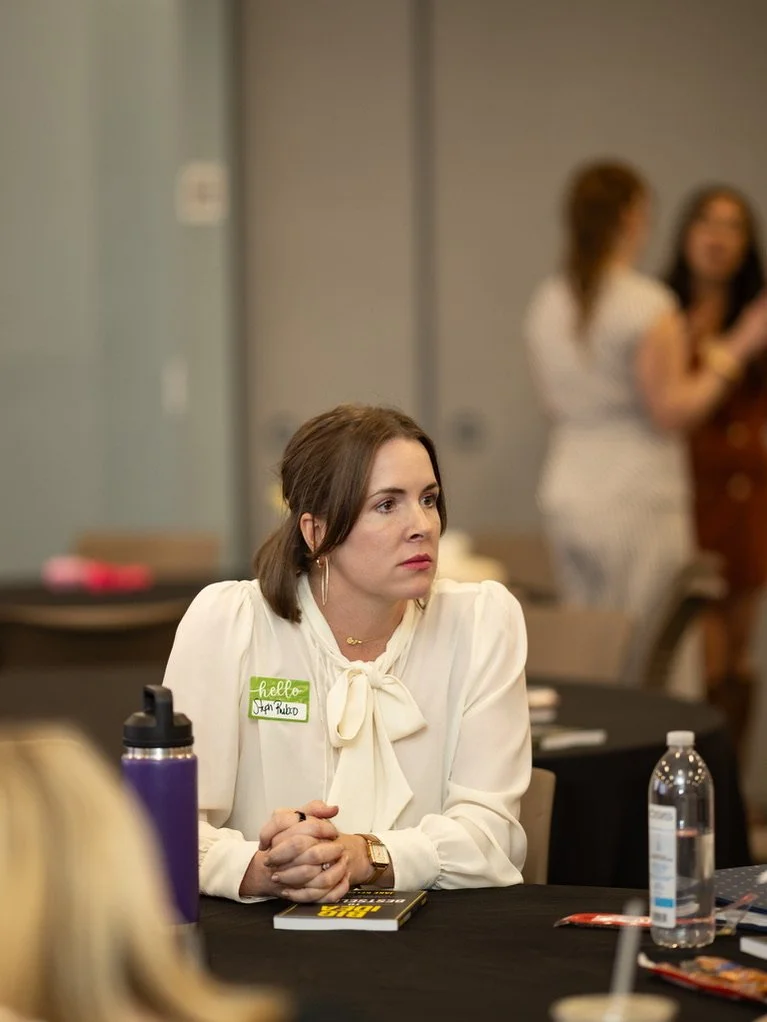
As a community leader, strategist, and trusted peer whose work centers on integrity, execution, and responsibility at scale, I come to this conversation as an expert on managing the experience of everyone who has a stake in the success of your business. With nearly two decades of experience spanning operations, sales, client experience, strategic planning, and leadership — including an almost–VP of Operations role I intentionally walked away from — I bring an executive-level lens to the conversations many founders avoid. I am the creator of the Rooted & Relentless ecosystem, a podcast and community for gritty, highly capable entrepreneurs who want to build businesses by design, not accident.
Stakeholder Experience isn’t just a topic I teach — I live it. I help founders zoom out beyond transactions and funnels to examine the full ecosystem their decisions affect: clients, teams, collaborators, partners, and communities. That lens is exactly why this conversation mattered so much to both of us.
Taylor Smith, Guest Contributor
Taylor is the founder of The Power Table, a community builder, event host, and personal brand strategist who has spent years creating spaces where women connect, collaborate, and make real business decisions.
Through Power Table LIVE and the entire Power Table ecosystem, she’s experienced firsthand how in-person events have become one of the primary ways trust is evaluated — where women decide who to hire, who to collaborate with, what strategies to implement, and which rooms feel aligned. Over time, Taylor has become deeply aware of the weight that comes with visibility and influence: when she attends, speaks, or supports an event publicly, people in my community often follow. This conversation grew out of that responsibility — a desire to talk honestly about what it means to host, attend, and recommend events with care, discernment, and respect for the real sacrifices people make to be in the room.
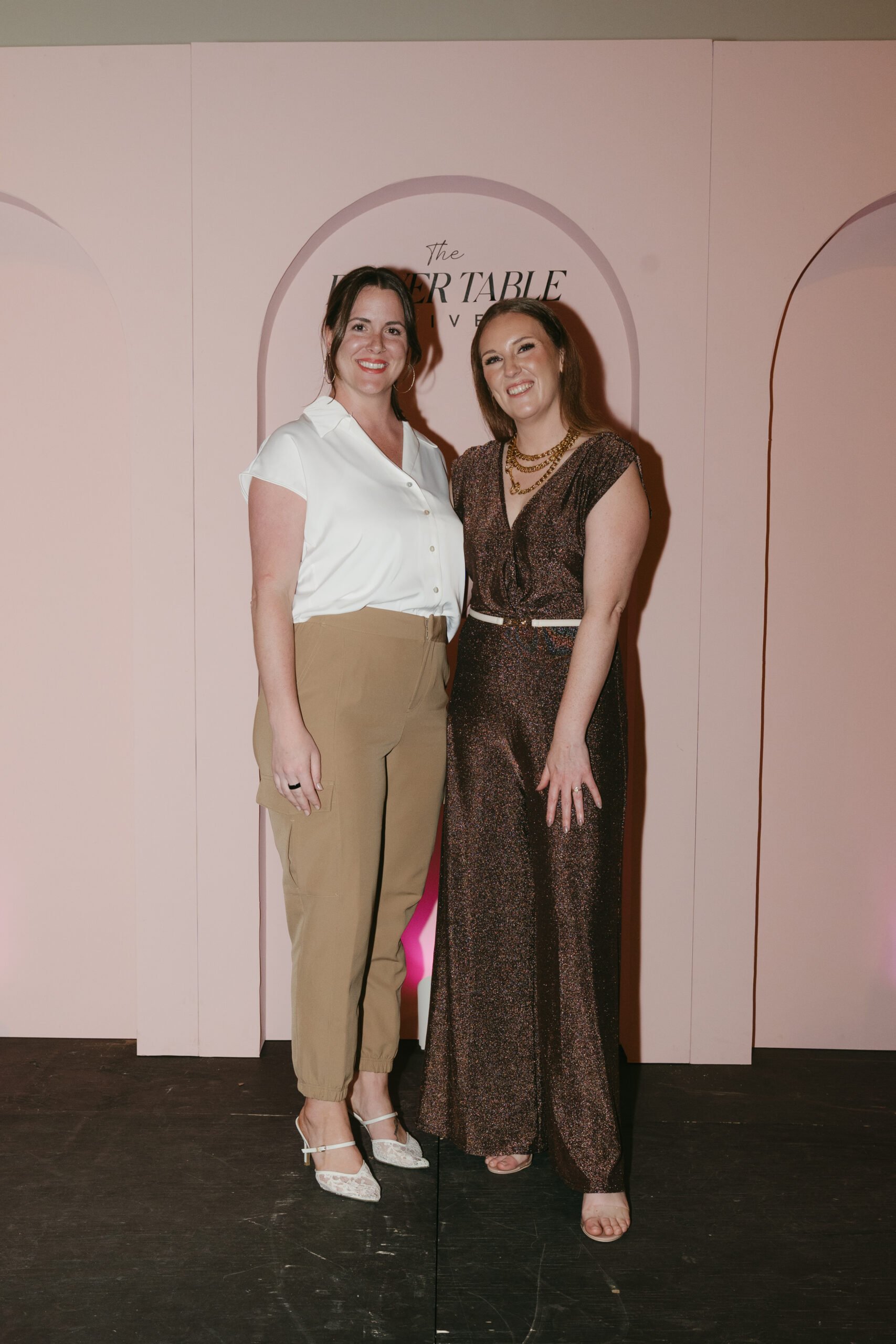
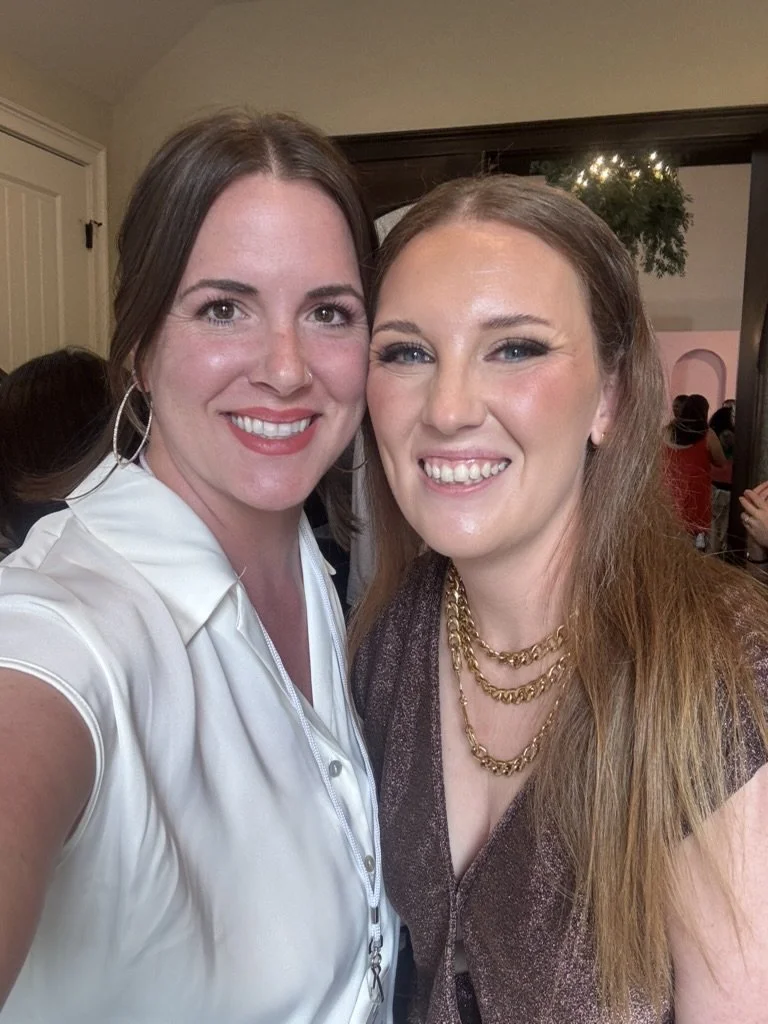
I met Taylor online in 2024 and in real life at her annual conference The Power Table LIVE in April of 2025. In this podcast episode, (which wasn’t about Taylor’s event at all), I accidentally made her cry when I explained that her event was the catalyst that set me on my current path, no longer talking about a podcast but launching it. No longer talking about a group, but launching it.
I had the pleasure of experiencing first hand how Taylor handles every single stakeholder with the utmost care, communicating clearly, early, and often and crafting intention into every touchpoint, in places you may never expect.
This year, I’m excited to speak from the stage in that very room on this very topic. You should consider joining me.
Why This Conversation Matters Now
All it took was one bad event for me to hit the breaks and realize I needed to find a better way to evaluate if an event was worth my time and money.
You see, I leave my family to travel to events and that family doesn’t only include two young children and a husband, it includes my disabled brother who needs around the clock care.
And I’m not alone in that. Mothers are leaving their children to come home and hear “I don’t want you to leave for work again” and business owners who have no budget are squeezing out a few hundred dollars in hopes this will be the event where it finally clicks and sticks for them.
And frankly, I go to events with some goal in mind. If that goal is to make clients, and the event misrepresents so I make a decision to go, only to find out that goal is not possible because of said misrepresentation, this is wasted time I could have spent elsewhere sourcing new leads. Time.
Plus, as mentioned, in person events are on the rise. And many of my community members are starting to go to events for the first time. They see me speaking and they want my trusted advice on if an event is right for them, just like they want to know if their lead magnet will attract new clients and where they should be visible these days. I carry that responsibility with the weight and care it deserves.
Because I know that your reputation is your revenue and managing every stakeholder experience with care is how your reputation because your referral engine.
So, this is my love letter to all entrepreneurs who want a way to pressure test events they’re thinking about attending.
Event Red Flags No One Talks About
Most people don’t leave an unfruitful event like a conference or retreat confused about what went wrong. Sometimes it’s obvious. The marketing was misleading. The numbers didn’t add up. The experience crossed ethical lines. Other times, it’s quieter, but just as heavy.
You pay a price to attend an event, even if it’s not monetary. Maybe you were offered a free ticket in exchange for speaking or volunteering.
The cost? You left your family for this. You spent money to travel. You showed up prepared, present, and ready to engage which cost you time. Time you could be spending on other initiatives with people that care as much for you as you do them. And you still walked away frustrated, defeated, or questioning why your experience wasn’t taken into consideration at all.
Whether the issue is outright misrepresentation or sheer operational neglect, the common thread is the same: the experience wasn’t designed with every single stakeholder in mind.
Here are the red flags that signal this early so you can make an informed decision before you buy the ticket or put your name out there in support of the room.
🚩 1. The Math Doesn’t Math
If an event promises 200 people in the room but has never hosted even 20 in person, that’s not ambition — it’s misrepresentation.
“It’s not okay to tell people you’ll have 150 or 300 attendees when you’ve never even had a tenth of that show up live, in person. Overinflating attendee numbers or overestimating a first-time event is a pervasive and wildly unethical problem in the event industry.”
— Taylor
A large following does not equal a full room. Conversion, logistics, and trust operate differently when people have to leave their homes and show up. If you’re scoping out an event, look for proof that they have filled a room before. And I’m not saying it has to be 200 to prove you can fill 200. But there has to be proof you have brought an in person community together. Or raw honesty that you’re about to do so for the first time.
First-time events aren’t the problem. Skipping the build-up is. Not having a clear plan in place is. I’ll be hosting my own in-person event later this year. Rooted & Relentless is going live for an Annual Planning Retreat and I have no business acting like I’ll have 50 people in the room because I will not be putting in the work it takes to get 50 people in the room.
We tapped respected Event Host, Marketing Strategist, and Community Builder, Michelle Thames, to ask the best approach for balancing vision and sales without overpromising and here’s what she had to say:
“The best approach is designing your event around what you can guarantee, not what you hope will happen. Clear communication, strong boundaries, and transparent updates build far more trust than big promises that rely on too many moving parts. Ethical leadership means selling the experience as it is, not as a future version that may never materialize.”
– Michelle Thames, Event Host, Marketing Strategist, & Community Builder
As an attendee, don’t anchor your decision to follower count or aesthetics. Look for proof of execution.
🚩2. Vague Transformation Language
Buzzwords without specifics are a warning sign. If an event promises “clarity,” “confidence,” or “alignment” without explaining how those outcomes are created, that’s not positioning — it’s ambiguity.
“If your transformation isn’t clear and you’re leaning on words like ‘clarity’ and ‘confidence’ — I’m out.”
— Steph
Listen, I use those words too. My own community members constantly tell me the most helpful thing that’s come from our work together in the first few months is the relief that comes from finally being crystal clear. They tell me clarity is their breakthrough okay I don’t make the rules here. But if I’m going to market that, I need to tell you HOW you’ll get clarity. Attendees deserve to know exactly what they’re walking away with. Again, you’re leaving your life to attend this and you should know what you can expect to gain.
A legitimate event should articulate two things clearly:
What you will learn (strategies, frameworks, tools, mindset shifts)
Who you will connect with (and why those connections matter)
Anything less shifts the risk entirely onto the attendee and you can just knock door-to-door if that’s the plan.
🚩 3. Disorganized or Late Communication
If you see an event that’s claiming it will be massive and life-changing, but there aren’t clear sales pages months before, it’s also a red flag.
Don’t get it twisted, I’m not expecting perfection. I actually think mistakes and delays are part of the process which is why later in this article we’ll touch on how to handle a mistake as a host, like a leader. But, I can typically tell when there is no project plan at all which just means missing sales pages will turn into missing information to speakers which turns into missing agendas and missing emails and missing information.
“If the sales page isn’t live months out, I start asking what else isn’t getting done.”
— Steph
Even without buying a ticket, you can assess whether an event has disorganized or clear communication by looking at how much communication is available pre-event. If there’s very little information, a missing or minimal sales page, and very little content in general, it’s a red flag. Okay, maybe an orange flag. Which means you should ask questions.
Questions Attendees Should Ask Event Hosts (But Rarely Do)
Most people scroll. Very few ask. And yet discernment is part of leadership — especially when real money and real life are involved.
Here are the questions that matter most:
1/ Who is this event actually for?
“Business owners” isn’t a target audience. Stage, industry, priorities, and goals matter because the room determines the value.
“If an event host can’t clearly articulate who they want in the room, that tells you everything you need to know.”
— Taylor
2/ What is the outcome this event is intentionally designed to create for me?
Education? Connections? Exposure? Strategy? Inspiration? You don’t need all of them — but you need to know which one is primary.
3/ What stage of business are most attendees in?
This will tell you if the attendees are your ideal client or better for collaborations or maybe just connections to get in your next room. All are okay answers, but you need to know.
4/ Is this education-focused, connection-focused, or inspiration-focused?
Now you have everything you need to know if it’s a room you should be spending your time, money, and energy in.
We also asked Michelle what question attendees should ask event hosts and here’s what she had to say:
“Most attendees ask who will be in the room, but not how the room is designed to support connection, safety, and follow-through. A more powerful question is: What systems are in place to help attendees actually build relationships, not just exchange business cards? That’s where real ROI lives.”
— Michelle Thames
And finally, there is one question that both Taylor and I agree every event attendee should be asking themselves before buying a ticket: “How does this event support my pre-established goals for my business?”
“Everything in your business should ladder up to your goals. Events are no different.”
— Steph
If you can’t find these answers publicly, asking the host directly is reasonable. And if the answers are unclear, that is the answer.
When It’s Smarter Not to Attend
Just because everyone is going doesn’t mean you should. Yes, I know FOMO is real. Trust me, I’ve made business buddies at events and then I see them going to another event I’ve considered and I just want to see my business friends.
But again, business goals, time, energy, money, remember?
There are smart reasons to skip an event:
You’ve outgrown the room
Your current goals won’t be supported there
You’re attending out of FOMO or obligation
Your season requires focus, not movement
The timing actively works against your priorities
The expense of attending (tickets, travel, time away from your work) actively works against your budget and priorities
This was actually one of our favorite parts of our conversation on this topic, and it turns out, several of our event host friends had strong feelings about this too. We asked them to share their thoughts on when someone shouldn’t attend, and here’s what they said:
“Attending an event is a business decision. It should never be a loyalty test.”
— Taylor
“I think the event has to align with what you want to get out of the event itself. You can attend an event for a number of reasons; visibility, relationships, signing clients or knowledge to name a few reasons. It can be very easy to attend an event out of FOMO or be wooed into the glamorous content but what I would encourage is to do your research if it's going to fit one of your reasons to attend an event. You can totally attend an event for fun too, but make sure you are going to have fun and it's fun for you!”
— Lauren Najar, Agency Founder, Business Consultant, Speaker
“If attending requires me to override my energy, values, or boundaries just to be in the room, it’s already a no. Popularity, FOMO, or “everyone will be there” isn’t a substitute for alignment or ROI. I’m more interested in rooms that respect my capacity, consent, and clarity than ones that trade pressure for proximity to power. That generally looks like attending events with less than 500 attendees.”
— Jordan Gill, Systems Strategist, Educator, Podcaster, & Founder of Systems Saved Me
Support doesn’t always mean presence. Sometimes it means saying no and protecting your resources. I mean, think about it. If 5 of my business friends are hosting events this year at $500 each and my event budget is $1,500. What does that tell you? You can support in many ways outside of being an attendee, assuming it’s ethical and values aligned. Don’t worry, we’re going to get to that.
How to Determine Whether an Event Is Aspirational vs. Operationally Sound & Strategic
Not all events are designed to deliver ROI and that’s not inherently wrong. But confusing aspiration for strategy leads to disappointment.
Aspirational events tend to prioritize:
Keynotes over workshops
Storytelling over implementation
Aesthetics over structure
Think being so motivated when you walk out of there you feel like you can take on the world, maybe run through the wall on your way to do so because you’re so inspired about the potential the future might hold.
Operationally sound events prioritize:
Structured networking
Workshops and live feedback
Panels with audience participation
Clear attendee journeys, starting with connection opportunities before you ever step in the room
Think being so motivated when you walk out of the room you feel ready to conquer the world and you are very clear on your next action steps to start down that path to make it a reality, not a maybe.
It's a very frustrating feeling as an attendee when you purchase a conference or event ticket thinking you’ll be getting specific tangible results or meeting specific types of people only to get there and find out that was not true.
Fortunately, there are a few ways you can strategically research an event ahead of time to identify what kind of experience you’ll get and therefore make an intentional buying decision that can be directly tied to your goals.
Taylor shared her favorite way to research tactical vs. inspiration events and it’s so freaking smart. She suggests looking at the ticket breakdown and studying the VIP vs. General Admission tickets. Even if you don’t plan on buying a VIP ticket, look at the deliverables and see if they’re tactical and clearly defined.
One simple diagnostic tool: look at the VIP experience.
“If your VIP ticket only offers better seats and swag — that tells me this is aspirational.”
— Taylor
Your Responsibility as an Attendee
Once you buy the ticket, your role matters. If you want to make the most of your investment, you’ve got to be present in the room beyond just “being in the room.”
Here’s are a few keys to being a responsible attendee:
Be present & put away your phone.
Your phone is not your emotional support animal. Put it away unless you’re:
Taking notes
Grabbing intentional content. And even then be respectful during presentations.
Pay attention to the speakers & engage.
These are also very real entrepreneurs who took time out of their business and life to put into you.
Honor the full commitment.
If the event runs 9–5, that’s what you signed up for. Those last two speakers you missed because you ditched early? They also took time away from their lives and businesses to share their expertise with you. Honor that time with your own.
Respect the energy of the room.
Dipping in and out of the room doesn’t go unnoticed. Plus it’s interruptive and disrespectful. Event hosts that take the full stakeholder experience into consideration and craft events with that in mind should have space where you can step out and breastfeed or step out and take a call or just a breather, but come back and give your full attention.
Complete the feedback request.
You run a business so hopefully you know the power of feedback by now. Feedback is how:
Events get better
Speakers improve
Hosts decide what stays, goes, or evolves
So by extension, you are supporting other women in business.
If the event is high quality and well planned, it’s very possible to walk out of the event with life-changing results for you and your business. Like I said, Taylor’s event changed my business. Or rather, it empowered me to do so. But even at a great event, not everyone experiences this. A big part of that comes down to your own actions before, during and after the event.
“Your reputation is built in rooms like this. People notice everything. If you’re scrolling on your phone, why would I hire you, invite you to speak on my stage, or recommend you to my clients if you’re disengaged in person?”
— Taylor
Our advice is to make it your goal to be a stellar attendee. Read the event communication, arrive on time, be open and vulnerable to new ideas, new ways of thinking, new people with different perspectives.
And, actively network and make new connections before and during the event and follow up after. Be thoughtful and intentional with how you make a first impression on people and in the way you continue to follow up and build relationships with people you meet at events.
I don’t care how impressive you are online, how big your following, and how well known your name is. If I see you constantly in and out of an event or leaving early, I immediately lose trust that you will deliver a stellar experience via your offers and just like that, you lose a referral opportunity because your reputation screams disconnected and uncaring.
And like Taylor Swift said “I protect the family” – I’m not recommending my community purchase or utilize any service where they do not feel like their time and energy, their business and life, is not a prized possession by the person taking their money. People notice who’s engaged. Speakers notice who stays. Hosts notice who participates.
It adds a notch in your reputation belt whether you want it to or not. So, what is that reputation telling people? In business, your reputation is your revenue.
The Safety Conversation We Rarely Have But Need To
Safety at events isn’t limited to emergency exits or venue logistics.
It includes physical, emotional, and psychological safety — and too many events ignore that reality. You should never be put in a position where you feel physically unsafe at a business event and it happens more than people want to admit.
“I’ve been in rooms where women were physically unsafe because the event host took money from a sponsor who turned out to be a predator— and the worst part is that the event host knew it could happen and they allowed myself and other women to be in the room anyway. This is completely unacceptable.”
— Taylor
Emotional manipulation is just as dangerous. Triggering content, trauma-based exercises, or undisclosed religious framing meant to evoke emotion that manipulate you into buying have no place in a business environment without consent and transparency. Quite simply: your event should include themes you promised and avoid those you didn’t.
“You always have permission to put yourself first. No room, no commitment, no opportunity is worth your well-being.”
— Steph
Stepping out is not a weakness. Protecting yourself is leadership.
A Few Safety Practices That Help
Not as rules — just reminders:
Use the Uber “Share my ride” safety feature. You can have it auto share your ride with a trusted contact. “My husband knows every time I get into an Uber.” -Taylor
Connect with other attendees ahead of time and coordinate walking in and out of the event together if you feel unsafe.
If the conversation gets heavy and you feel triggered or need space, give yourself permission to leave, step out, or disengage without explanation.
Pay attention to pressure, urgency, or emotional escalation that feels disproportionate to the rest of the content.
Remember that being in a crowd does not automatically equal being safe.
We asked our friend, repeat attendee, and mental health professional, Megan Kozell, her advice for people who may start to feel unsafe at events and here is what she had to say:
“If you begin to feel unsafe, anxious or triggered at any time during the conference, pause and make one small choice that will immediately increase your sense of safety. You can move closer to an exit or step into a quieter space. Next, ground yourself by noticing your feet on the floor, hold an object in your hands, and start taking slow breaths if that feels supportive to you.
Remind yourself that you DO have options; you can step out or skip a session without needing to explain yourself to anyone. Respond in a way that honors your needs instead of pushing through, causing you to remain in a state of panic or discomfort.
Acknowledge internally that your reaction makes sense and that honoring your needs builds self-trust, which also enhances your ability to feel safe again.”
-Megan Kozell, MSW, RCSWI, Founder of The Balanced Boss
Hosting High Quality Events with Integrity
Just like clients are not the only groups with a stake in the success of your business, events don’t just serve attendees. When you recognize everyone that has a stake in your event and that their experience is the difference in silently bowing out next year or telling 30,000 of their closest friends they should come, you realize the privilege you have to give these people the best experience. And it’s not just good for them, it’s smart business.
The best event hosts recognize that they serve multiple stakeholders – speakers, sponsors, volunteers, vendors, community partners and every one in between.
As an event host, Taylor intimately understands that every action you take and every decision you make has a direct impact on not only every one of those people but their families and clients and stakeholders. It’s your ripple effect. If your business is impact driven, then you understand curating an event is an opportunity to effect the lives way beyond the room you’ve built.
Event hosts should understand the time and resources they put into your event are assets they actively chose not to put elsewhere, which means you have an ethical responsibility to ensure that every stakeholder, from attendees to speakers to vendors receives the experience and outcomes you promised them in your marketing materials.
“Communication is Queen, and this applies to any type of service, offer, or experience but especially events. The best thing you can do is try and anticipate what questions people may have and answer that before they even know it’s a question. So for example, communicate the agenda of your event, how attendees can be intentional with their time, where to park, where to go, what to wear.
This also applies to every stakeholder. There are vendors, volunteers, sometimes there are brand partnerships, and speakers. There are many different people in your event ecosystem that help you pull an event off successfully and you have a responsibility as an event host to make sure that they know where to be, how to participate, what's acceptable and what's not, what you expect from them, what they can expect from you, where to go, and what will happen.”
— Steph
“Sharing an agenda ahead of time is about respect, not logistics.
When hosts withhold even a general schedule, it signals a lack of trust in both the attendees’ time and the strength of the experience itself. Respect looks like transparent timelines, clear expectations, and naming what support exists on-site. When people know what they’re walking into, trust is built before they ever arrive.”
— Jordan Gill, Systems Strategist, Educator, Podcaster, & Founder of Systems Saved Me
“There are a few things that I do to start the experience of a retreat or dinner beforehand. My goal is connection and building relationships so I curate opportunities before the event or the retreat begins so that everyone can meet each other beforehand and connect. We all have been to events where it can be awkward or we are nervous to go and talk to others; so I provide a guest list and/or a group chat whenever it makes sense so connections can be made before the event. The tangible things will need to make sense based on what the goal of the event is. Connection for me is key and community is one of the goals so anything that I can do to increase that beforehand versus just relying on the event itself.”
— Lauren Najar, Agency Founder, Business Consultant, Speaker
This attention to detail is not only your responsibility as an event host, but it also makes you memorable. It makes people want to come back to your event and recommend your event the entire year until it comes again, which then means that your marketing gets easier every year because people are marketing for you in rooms that you're not in.
But how do you assure this? You have to slow down in the beginning of this idea and give it the space it needs to create a real project plan. A real project plan lists all the stakeholders, the outcomes, the scope, what needs to happen, when, and by whom, budget, and everything in between. That’s how you assure nothing gets missed and everything happens on time.
“It takes hundreds of hours of planning each year for Power Table LIVE because of the care and intention and responsibility I feel to deliver on our promises to all stakeholders involved.”
— Taylor
Great hosts:
Anticipate needs before questions arise
Communicate clearly and early
Use project management systems to stay on top of everything that needs to happen
Hold deadlines with care and firmness to keep the wheels on the bus going round and round
When Mistakes Happen with an Event (Because They Will)
Mistakes will inevitably happen, not only in hosting events but in your business, period. We are humans after all so please know that perfection is never the goal. But leadership certainly is. And that looks like owning when you make a mistake.
“Own it. Effort and care matter more than perfection.”
— Steph
When something goes wrong:
Acknowledge it
Own it
Communicate what happened clearly
Offer a solution
Taylor admits that mistakes have been made in production of her annual women’s conference, The Power Table LIVE – missed emails, wrong times provided, forgetting to attend calls, or forgetting to pass on a piece of information.
“Start with how you want people to feel when you make a mistake — then act from there.”
— Taylor
The wrong moves generally come from a lack of planning, boundaries, and clear communication. We’ve both seen event hosts develop a bad reputation very quickly because they promised something and didn’t deliver and, quite frankly, didn’t care about the negative impacts. That’s different from an honest mistake.
As an ethical and responsible event host, when you or your team has made a mistake, prioritize owning the mistake and finding a solution that works for the stakeholder.
When a mistake happens, you need to meet this head on by taking ownership and communicating:
Acknowledge the mistake quickly and don’t blame others
Offer solutions that work for the client or stakeholder
Treat it as the cost of doing business (you might have to eat the cost of a refund, buying additional supplies, or paying for additional support)
“Perfection isn’t the standard. Effort, care, and accountability are.”
— Steph
Mistakes are just part of the cost of doing business. Avoidance is the cost of trust.
Supporting Women in the Event Space When Values Don’t Align
This is the most nuanced — and often misunderstood — part of the conversation and one we’ve rarely seen talked about publicly, which is why we wanted to tackle it head on.
In the women’s entrepreneurship space, we talk a lot about community over competition or collaboration over competition. We encourage mutual support. We celebrate visibility, collaboration, and women helping women. Collective wins are all our wins. And in many ways, that culture has created opportunities that didn’t exist a decade ago. This is a Sisterhood with an unspoken understanding of relentless support.
But there’s a quieter, harder question underneath all of that these days:
What does support look like when your values don’t align with another women’s event, a business, or a leader?
As someone who has been in the event space as an attendee, a speaker, and a host for years, Taylor gave some pretty jaw dropping examples of experiences she’s had that are frankly unacceptable.
From poorly planned or disorganized events that were clearly just a money grab from the host, or an event that wasn’t centered around community and people felt clearly unwelcome, or as mentioned earlier in the article, blatantly unsafe and unethical practices such as preying on people with manipulative and emotionally-charged sales tactics or direct threats to physical safety. Did I mention events that claimed it would be a marketing event but turned out to be a religious get together instead?
And the question that started coming up for her: “How do I handle this as a community leader with influence over others who will see my content from this event, and then consider attending themselves?”
And guess which community leader with a driven community of highly skilled, loyal, and dedicated people now has to answer that same question. Yeah, me.
And with that comes an incredible weight of responsibility, especially in the culture of women’s entrepreneurship where it can often feel like you owe it to other women to blindly support what they’re doing. So Taylor and I dove into this topic to explore where we draw the lines and how we navigate the gray areas in this space.
Values Misalignment is not Ethical Turmoil
Values misalignment is not the same thing as unethical or fraudulent behavior and both ethics and safety are non-negotiable.
“Values are different from ethics. Fraud and safety issues are non-negotiable.”
— Steph
That distinction matters. Fraud and safety? I’m calling you out. Ethics? I’m not putting my name on the shady bits. Values? We can still support each other, possibly. There are situations where values differ — tone, approach, faith, audience, business model — and those differences don’t automatically mean someone is doing harm, it just means we value things differently. Maybe you practice a religion and I don’t. Maybe I don’t attend as a result but I still send people your way. Maybe I value life first because I have your children and you work a lot because you have the space to do so.
In those cases, support might still make sense if expectations are clear and alignment exists for the people being served.
But when misalignment crosses into deception, safety concerns, or a lack of integrity in execution, the responsibility shifts.
At that point, continuing to publicly support, promote, or attach your name isn’t neutral — it’s participatory. And that’s where many community leaders, speakers, and hosts find themselves stuck these days. Because support in this industry is often treated as binary: Either you support all women, or you support none. That framing is both unrealistic and dangerous.
“I believe you don’t have to support everyone in the same way.”
— Taylor
Support does not always mean amplification or promotion. And it certainly does not mean putting other people at risk — financially, emotionally, or physically — because you didn’t want to disappoint someone or appear unsupportive. Sometimes, support looks quieter for the event host who is still learning and has good intentions despite the missteps. Sometimes it looks like choosing not to attend, not to promote, and not to comment — without creating spectacle or gossip around that decision. Read that one again.
Sometimes it looks like offering private feedback, if and only if it’s invited and appropriate.
Pro tip? Ask the person if they are open to feedback before you offer it. My dream is that all business owners learn to be leaders, but that’s not yet our reality and unfortunately, some people have not learned to hear critical feedback without taking it as an attack.
And sometimes — especially when safety, fraud, or repeated lack of care is involved — support looks like stepping away entirely.
“The only way I can support someone in that situation is by helping someone do better, by consulting with them, offering my expertise in how to run a safe and operationally sound event that takes all stakeholder experiences into consider — not by putting people in the room and putting my name on it.”
— Steph
So yes, I still take my mission to live without limits and help other women do the same to heart, but that looks different for everyone.
The Weight of Influence and Responsibility for Community Leaders
There’s also an added layer of responsibility for those of us who host events, speak on stages, or lead visible communities. When we say we’re attending, speaking at, or endorsing something publicly, people follow suit. They spend money. They take time away from their families. They walk into rooms trusting that we’ve exercised discernment.
Realizing that weight can be sobering.
“I’ve come to realize that my influence has grown to the point that the minute I post that I’m going to an event or speaking, someone in my community is more than likely buying a ticket because of it and that is a huge amount of responsibility. I owe it to my community to be careful and do my research first.”
— Taylor
That influence can be powerful when alignment is strong — and devastating when it isn’t. Which is why one of the most underappreciated forms of leadership in this space is discernment without drama.
Not gossiping. Not publicly tearing someone down. Not making yourself the moral authority. But also not sacrificing your integrity, your reputation, or your community’s well-being in the name of performative support.
Silence, when used intentionally, can be a form of leadership. Choosing not to attach your name can be an act of protection for the people you serve. Offering guidance privately — when welcomed — can also be generous leadership. And recognizing that you don’t have to give everyone the same level or type of support is not selfish. It’s responsible leadership. This is about remembering that the people affected by these decisions are not abstract — they are real women, real businesses, real families, and real sacrifices.
Supporting women doesn’t mean supporting everything women do.
It means supporting integrity, safety, and care even when that requires difficult, quiet, or uncomfortable choices.
You are allowed to protect your reputation.
You are allowed to protect your people.
You are allowed to say no without explaining yourself publicly.
Supporting Women & Historically Underrepresented Entrepreneurs Looks Like Raising the Standard Together
This conversation isn’t about tearing any person or event down.
It’s about raising the bar for hosts, speakers, attendees, and community leaders alike. It’s about meeting the moment, leading others to make informed decisions that help them grow their own lives and businesses.
In an industry built on connection and trust, the cost of getting it wrong is real. People sacrifice time away from their families, money they worked hard to earn, and emotional energy to show up in rooms hoping for growth, opportunity, and alignment. That deserves respect.
“As women in business, we sacrifice too much to waste time, money, or safety.”
— Steph
As in-person events continue to grow in popularity, the responsibility attached to them grows too. Hosting a room isn’t just about selling tickets or filling seats; it’s about stewardship. And attending isn’t just about being supportive, it’s about mutually beneficial opportunities. Recommending an event isn’t just a casual share, it’s a signal of trust. And trust is earned.
“I hope people feel empowered after this conversation to ask better questions — and say no when needed.”
— Taylor
Saying no doesn’t make you unsupportive. Asking hard questions doesn’t make you negative. Choosing not to attach your name doesn’t make you disloyal. These are signs of leadership, especially in spaces where influence carries weight beyond what we can always see.
The future of women’s entrepreneurship events won’t be shaped by bigger stages or perfectly aesthetic content marketing. It will be shaped by integrity, clarity, and care, a charge led by leaders willing to design experiences responsibly and participants willing to engage thoughtfully.
And it starts right here: with honest conversations, quiet discernment, and a shared commitment to do better, to be better — together.
For more real conversations just like these, tune into the Rooted & Relentless podcast with Steph, new episodes drop weekly & she never shies away from saying exactly what she means.